New Concrete Driveways from Local Providers
Request an estimate and compare quotes
A new driveway is one of the bigger flatwork jobs a homeowner will price. The number on the quote depends on size, thickness, base prep, removal of the old slab and the finish. Knowing those line items makes quotes much easier to read.
Laurabonus Concrete is a referral service. We connect homeowners in Peabody and the Peabody area with independent local providers who pour concrete driveways. The providers do the work, not Laurabonus Concrete. Request an estimate, gather a few written quotes, compare them line by line and decide when you are ready. There is no obligation.
Start with the slab you have now
Most people look into a new driveway after they notice something wrong with the old one. Maybe a corner broke off. Maybe water sits where it never used to. Plan before panic. A worn slab is usually a slow problem, and that gives you time to price the job properly.
Early signs a driveway is wearing out
Small changes tell you a lot. Watch for these:
- Cracks wider than a pencil line, or cracks where one side sits higher than the other
- Flaking or pitted surface, often after winters with salt and frost
- Sunken sections that collect water
- Crumbling edges where tires ride
- Gaps between the slab and the garage floor or the walkway
One hairline crack is normal. Several of these together point to a bigger issue underneath.
Concrete driveway repair or full replacement?
Concrete driveway repair can make sense for a few narrow cracks or a small patch. It costs less today. But patches rarely stop the cause, and a worn slab keeps shedding. If more than a third of the surface is cracked, sunken or scaling, replacement often costs less over the long run. Ask each provider to explain which path they would choose and why.
Why cold climates are hard on concrete
Cold, snowy winters and repeated thaw cycles push water into small pores, where it expands as it turns to ice. Spring snowmelt and coastal storms add more moisture. Over many seasons the surface scales and cracks open. A well-drained base and proper sealing slow this down, so they deserve a line on your quote.
Drainage and your foundation
Older homes with stone or block foundations and full basements are sensitive to where water goes. A driveway that slopes toward the house can send meltwater against the wall. If you already see damp basement walls, talk with foundation repair experts before the new pour, so the slab is not poured over a problem. A provider can also set the slope away from the home.
What a new driveway project includes
A typical job runs in this order:
- Measuring and marking the layout
- Removing and hauling off the old slab
- Grading and compacting a gravel base
- Setting forms, and rebar or mesh if specified
- Pouring, leveling and finishing the concrete
- Cutting control joints so cracks follow planned lines
- Curing and, later, sealing
If a quote skips one of these, ask why.
Size, thickness and finish
Most driveways are four inches thick. Heavier vehicles or a delivery truck may call for five or six. Thicker costs more, but it is cheap protection compared with a second replacement. Width matters too. Many homeowners add a foot or two for easier parking.
For finish, a broom texture is the usual choice because it gives grip in wet and icy weather. Exposed aggregate and borders cost more. Pick based on looks, grip and budget. If you also want a decorative surface elsewhere, that is concrete flatwork of a different kind, and it is priced on its own.
Permits and the street apron
The apron is the part of the driveway where it meets the street. Many towns control it, and some require a permit or set their own thickness and width rules. Ask each provider whether permits are in the quote and who files them. Rules differ by town, so a local provider usually knows what is required.
What drives the price
Four things move the total most: square footage, how much old concrete must come out, how much base work the soil needs, and the finish. Access matters as well. A tight lot or a long wheelbarrow haul adds labor. Winter and spring schedules can change pricing too.
How to read two quotes side by side
Read the quote, not just the total. Line them up and check:
- Total square footage
- Slab thickness and concrete strength
- Base depth and material
- Rebar or mesh
- Demolition and haul-away
- Permits and apron work
- Sealing and cleanup
If one number is far lower, look for what was left out. Compare, then decide.
Choosing a concrete provider
Ask for proof of insurance and any local licensing the town requires, and check the paperwork yourself. Ask about recent driveway jobs nearby, the expected pour window and the payment schedule. Get everything in writing. Providers in our network are independent, so each one sets its own terms.
After the pour
Keep vehicles off for the period your provider gives, often about a week for cars. Keep water off the fresh surface as advised. Small hairline cracks can still appear as the slab cures. Ask in advance how the provider handles them.
Sealing and winter care
A sealer helps block water and salt. Many providers suggest waiting some weeks before the first coat. Use plastic shovels where you can, and go easy on de-icing salt in the first winter. Request a callback to check provider availability for a seasonal sealing visit.
Decide on your schedule
No one needs to sign the day they get a quote. Gather two or three, review the line items and take a few days. A calm decision usually gets you a better driveway and a fairer price.
What's Included
Old Slab Removal
Breaking up, loading and hauling away the worn concrete so the new base starts on solid ground.
Base and Grading
Compacted gravel and a planned slope help water drain away from the home.
Forms and Reinforcement
Edge forms, plus rebar or mesh if the quote calls for it, shape and strengthen the slab.
Pour and Finish
Concrete is placed, leveled, textured and jointed, then left to cure properly.
Typical Concrete Driveway Costs, Line by Line
These are typical U.S. ranges and they vary by job, region and access. Use them to sanity-check quotes, and always get a written quote.
| Item | Typical range | Notes |
|---|---|---|
| New plain driveway (per sq ft) | $6 – $12 | Four-inch broom finish; higher for thicker slabs |
| Two-car driveway, total | $3,600 – $8,500 | Depends on size, prep and local pricing |
| Old slab removal and haul-away | $1 – $3 per sq ft | Thicker or reinforced concrete costs more |
| Base grading and gravel | $1 – $3 per sq ft | Poor soil or drainage work adds cost |
| Rebar or mesh upgrade | $0.50 – $2 per sq ft | Worth asking about for heavy vehicles |
| Exposed aggregate or borders | $2 – $8 extra per sq ft | Decorative choices raise the total |
How It Works
Share Your Plans
Tell us the size, the current condition and what you hope the new driveway will do.
Get Matched with Providers
Independent local providers in our network review your project and may reach out to you.
Compare Written Quotes
Line up thickness, base, removal, finish and permits so the numbers truly match.
Decide and Schedule
Pick the provider that fits your budget and timing, and agree on the details in writing.
Why Call Laurabonus Concrete
Compare Before Committing
Request an estimate, gather written quotes and weigh each line item without anyone pushing you.
Local Providers
Independent providers in our network know area soil, frost and town permit habits.
No Obligation
Asking for an estimate does not commit you to hiring anyone, so take your time deciding.
Plain Pricing
Guides explain what moves a price, so quotes make sense before you decide.
Other Services
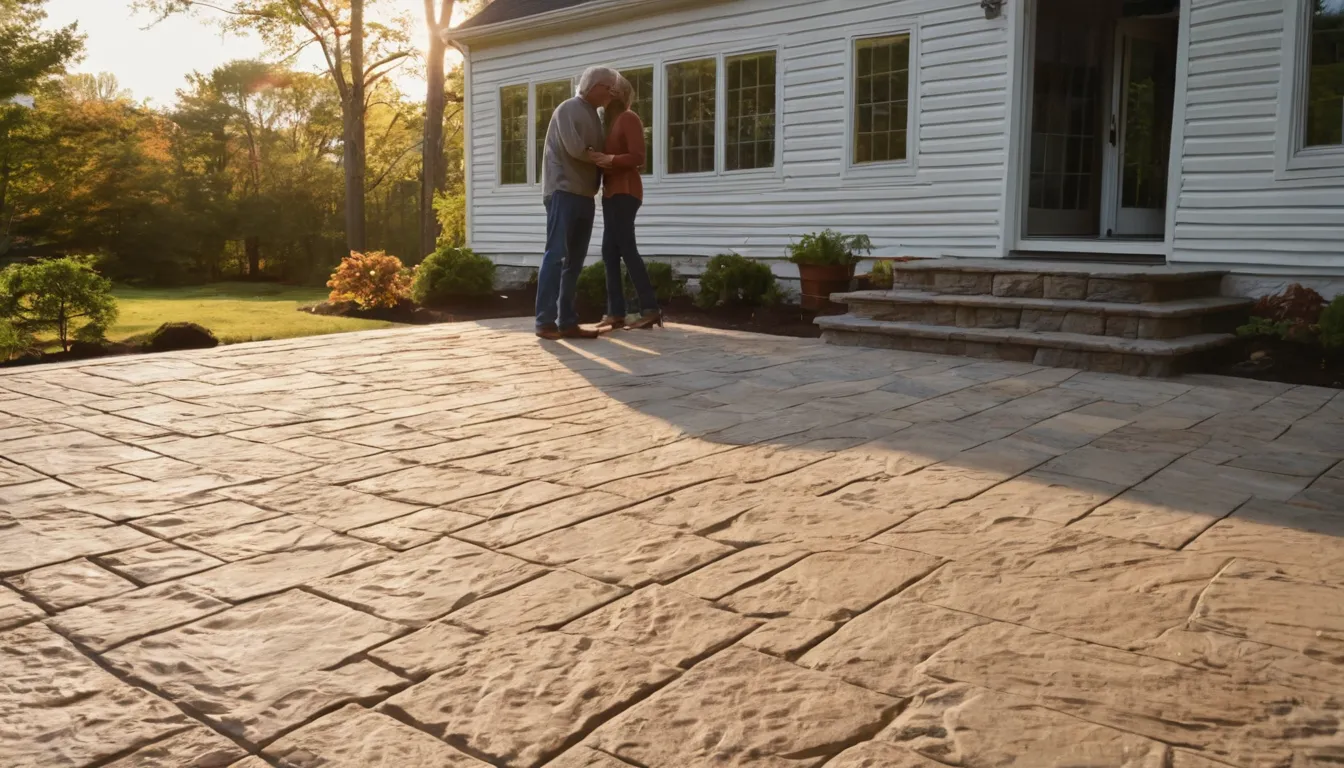
Need concrete driveways in Peabody?
Planning a driveway, patio or stamped finish? Request an estimate or Request a callback to check provider availability. There is no obligation.
No obligationConcrete Driveways FAQ
How long does a concrete driveway last?
A well-built concrete driveway often lasts decades. Base prep, drainage, thickness and sealing all matter. Harsh winters and heavy road salt can shorten that, so ask each provider how they handle frost and moisture.
Is it cheaper to repair or replace a cracked concrete driveway?
Repair costs less up front when damage is limited to a few cracks or one patch. If cracking, sinking or flaking covers much of the slab, replacement may cost less over time. Get both options quoted.
Do I need a permit for a new concrete driveway?
Many towns require a permit, especially for the street apron or a wider driveway. Rules vary locally. Ask each provider whether permits are included in the quote and who files the paperwork.
Get in touch
Planning a driveway, patio or stamped finish? Request an estimate or Request a callback to check provider availability. There is no obligation.
No obligation