Stamped Concrete in Peabody
Request an estimate, no obligation
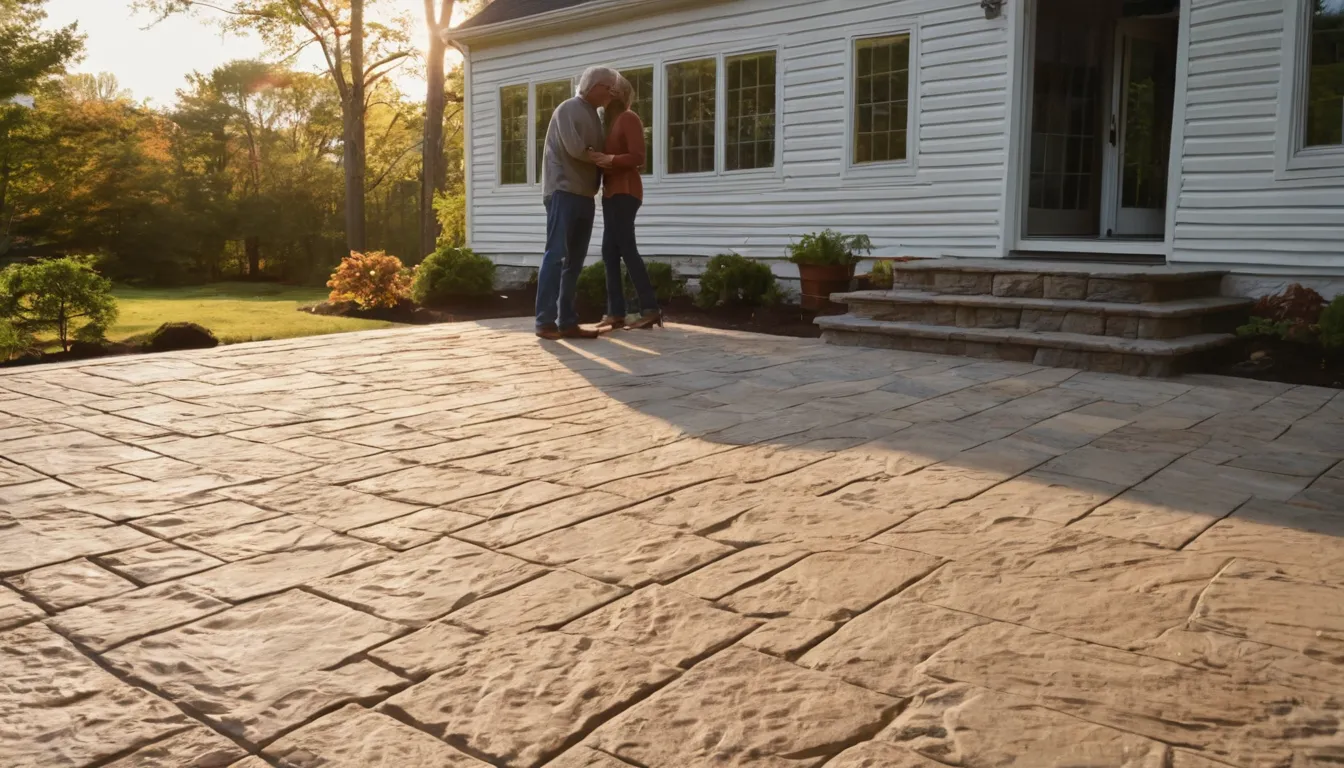
Stamped concrete is a poured slab pressed with patterns and finished with color, so it can look like slate, brick or fieldstone. It is a popular choice for patios, walkways and pool decks when you want texture without laying thousands of loose pieces.
Laurabonus Concrete is a referral service. We connect homeowners in Peabody and the Peabody area with independent local providers who do the work. You gather written quotes, read them line by line, and decide when you are ready. The price depends on prep, pattern, color and sealer, so we encourage you to compare before you commit. Plan before panic, and take the time to choose well.
Stamped Concrete: What You Are Paying For
Stamped concrete is a poured slab pressed with patterns so it looks like stone, brick or slate. It is one solid surface, not hundreds of loose pieces. Most of the price comes from three things: the prep underneath, the pattern and color work, and the sealer on top.
Check the Calendar First
Concrete cures well in mild weather. Where winters are cold and snowy, the pour window can close by late fall. Spring fills up fast too. If you want stamped concrete patios ready by summer, start gathering quotes early. Request a callback to check provider availability for your season.
Why a Late Pour Is Risky
Cold ground and freezing nights can weaken a fresh slab. Stamping and coloring also need steady conditions. A provider who says to wait for warmer days is protecting your money, not stalling.
How a Stamped Slab Is Made
The process has a few clear stages. Knowing them helps you read a quote.
Base and Forms
The ground is dug out, packed and topped with compacted gravel. Forms set the edges. On older lots with mixed soil, this step matters more than any pattern. A weak base shows up later as cracks.
Color and Texture
Color goes into the mix or onto the wet surface as a powder. Then textured mats are pressed in to leave stone-like lines. The timing is tight, so the installers work fast.
Cutting and Sealing
Control joints are cut so the slab cracks along straight lines instead of random ones. After curing, a sealer locks in color and helps shed water. Ask how often it needs to be reapplied.
Popular Patterns and Colors
Ashlar slate, random stone, brick and wood plank are common picks. Gray, tan, charcoal and soft brown hide dirt and suit most homes. Brick and muted fieldstone looks often fit older houses and traditional style homes. Two-tone color work costs more than one solid color, so decide where it is worth it. Look at samples in daylight before you choose.
Where Stamped Concrete Works Well
Patios are the classic use. Walkways, pool decks, stoops and some driveways also work. Good concrete flatwork needs drainage, so the surface should slope gently away from the house. One poured slab also fits odd shapes and tight lots better than cut pieces.
Stamped Concrete vs. Pavers
Pavers are individual pieces. You can lift and replace one, but freeze-thaw cycles can shift them, and weeds grow in the joints. Stamped concrete has fewer joints and a clean look. The trade-off is that a crack cannot be swapped out, and a patch may show.
Prices often land in a similar range, so compare quotes for both. Let upkeep and your soil guide the choice.
Warning Signs to Spot Before You Pour
Look at what is there now. Sinking spots, pooling water and gaps along the house are early signs of a drainage problem. Fix the cause first, or the new slab will inherit it.
If you have a stone or block foundation and a damp basement, ask foundation repair experts to look before any patio goes against the wall. Sloping a new slab toward the house can make things worse.
If an old slab is crumbling, concrete driveway repair or a full replacement is a separate job. A provider can explain which one makes sense.
How Long the Job Takes
On-site work for a typical patio often runs a few days to a week, depending on size and weather. Cure time comes after that. Foot traffic may be fine within days, while furniture and vehicles wait longer. Ask each provider for a written timeline.
Caring for Your Slab
- Sweep and rinse regularly.
- Use a plastic shovel in winter.
- Skip rock salt and use sand for traction.
- Reseal every few years, as the provider advises.
- Keep gutters and downspouts pointed away from the slab.
Reading the Quotes Side by Side
Gather at least three written quotes. Read the quote line by line, not just the total. A price far under the others often means something was left out.
What to Line Up
- Square footage and slab thickness
- Base depth and any reinforcement
- Pattern and color method
- Sealer type and coats
- Removal of old concrete and cleanup
- Permits, if your town requires them
Questions Worth Asking
Can I see finished stamped work? How do you handle cracks and control joints? What does the warranty cover, in writing? Fair answers are clear and specific.
Decide on Your Own Schedule
Compare, then decide. Requesting an estimate does not commit you to anything. Take your time, ask follow-up questions, and choose the provider and plan that fit your budget.
What's Included
Pattern Choices
Slate, brick, stone or wood plank looks pressed into one poured surface.
Color and Sealer Options
Integral color, surface tints and sealers that protect the finish through harsh weather.
Prep and Base Work
Digging, gravel base and forms that give the finished slab a solid foundation.
Patios and Walkways
Stamped concrete for backyard patios, entry paths, pool decks and small stoops.
What Drives the Price
Stamped concrete costs more than plain concrete because of the pattern, color and sealer. These are typical U.S. ranges that vary by job, so get a written quote before you decide.
| Item | Typical range | Notes |
|---|---|---|
| Basic stamped patio | $10 – $18 per sq ft | One color, simple pattern |
| Multi-color or complex pattern | $15 – $25 per sq ft | More labor and skill |
| Excavation and gravel base | $1 – $4 per sq ft | Depends on soil and access |
| Old slab removal | $2 – $6 per sq ft | Haul-away often extra |
| Sealer and resealing | $1 – $3 per sq ft | Needed every few years |
| Small patio, about 300 sq ft | $3,000 – $7,500 | Total varies by design |
How It Works
Share Your Plan
Tell us about your space, the look you want and your timing using the request form.
Talk With a Provider
A local provider in our network reaches out to ask about size, site and pattern.
Compare Written Quotes
Line up the scope, materials and timeline from each quote before you choose.
Decide and Schedule
Pick the provider and plan you trust, then set a start date.
Why Call Laurabonus Concrete
Compare, Then Decide
Gather written quotes, read each line, and choose on your own timeline.
Local Providers
Independent providers in our network know local soil and winters.
No Pressure
Requesting an estimate is no obligation, and you choose what happens next.
Clear Pricing
We encourage line-by-line quotes so you see what drives the total.
Other Services
Need stamped concrete in Peabody?
Planning a driveway, patio or stamped finish? Request an estimate or Request a callback to check provider availability. There is no obligation.
No obligationStamped Concrete FAQ
How much does stamped concrete cost per square foot?
Typical U.S. prices run roughly $10 to $25 per square foot, depending on pattern, color and site prep. Costs vary by job, so request a written quote and compare line items.
Is stamped concrete a good choice where winters are cold and snowy?
It can be, with a solid gravel base, control joints and a good sealer. Freeze-thaw cycles can still cause cracks, so ask providers how they prepare the ground and avoid rock salt on the finished slab.
How often does stamped concrete need to be resealed?
Many slabs are resealed every two to three years, though it varies with sun, traffic and weather. Ask the provider for a written care plan so you know what to expect.
Get in touch
Planning a driveway, patio or stamped finish? Request an estimate or Request a callback to check provider availability. There is no obligation.
No obligation